
Crypto Mining Firms Seek Renewable Energy in Brazil
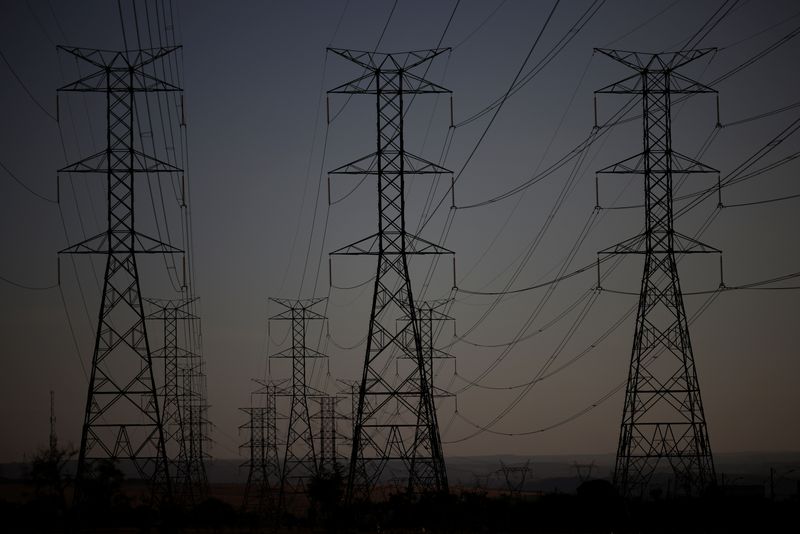
Crypto mining companies are currently in discussions with Brazilian electricity suppliers, including Renova Energia, to utilize the country’s surplus renewable energy while minimizing strain on the grid during peak consumption periods. This follows a significant investment by Tether, a major player in the crypto industry, which announced its commitment to Brazil in July. According to representatives from six different firms, there are at least six ongoing negotiations for small and medium-scale projects, alongside one larger initiative that could generate up to 400 megawatts (MW) of power.
Energy Demand and Supply Dynamics
Mining operations, which rely on solving complex mathematical equations to validate cryptocurrency transactions, have caused grid overloads in several nations. In contrast, Brazil, which currently has a nascent crypto mining sector, stands to benefit from its ongoing issues with excess clean energy—a situation that has led to nearly $1 billion in losses for energy companies over the past two years, as reported by industry groups ABEEolica and Absolar.
Tether’s Renewable Energy Strategy
As the leading digital asset firm globally, Tether is strategically utilizing its recent acquisition of Adecoagro to access renewable energy sources, including electricity from sugarcane mills, to fuel its bitcoin mining operations in Brazil. Renova has revealed plans for a $200 million mining project in Bahia, which will involve six data centers powered by a wind farm, marking one of the first significant investments in the crypto sector by a major energy provider. Renova’s CEO, Sergio Brasil, emphasized their goal to grow the company and expand into new markets by providing infrastructure for crypto mining.
Scalability and Flexibility in Energy Consumption
Crypto miners offer the advantage of rapidly adjusting their energy consumption based on availability, making them a flexible option for utilizing excess energy without overloading the grid during peak periods. Brazil’s energy surplus is a result of extensive government incentives that have stimulated a surge in wind and solar projects, but the growth in energy generation has outpaced the development of transmission networks, leading to substantial waste of generated power.
Potential for Mobile Data Centers
John Blount, co-founder of Enegix, a crypto mining firm from Kazakhstan, highlighted the significant potential for crypto mining in Brazil. He indicated plans to develop mobile data centers that could be directly connected to power plants. Enegix is particularly interested in opportunities within Brazil’s northeast, where the energy surplus is most pronounced, and aims to harness solar and wind energy in Piaui.
Interest from Regional Miners and Equipment Manufacturers
Penguin, a crypto company based in Paraguay—one of the leading global crypto hubs—has also indicated its involvement in negotiations, although specific details remain undisclosed. Furthermore, China’s Bitmain, a prominent mining equipment manufacturer, is exploring potential projects in Brazil, according to an unnamed company executive.
Energy Providers’ Interest in Crypto Mining
Electricity providers have shown a growing interest in crypto mining projects. Casa dos Ventos, in collaboration with France’s TotalEnergies on wind initiatives, and Global Infrastructure Partners’ Atlas Renewable Energy from the U.S. have confirmed their intentions to engage in this sector. Additionally, Brazilian subsidiary of Engie and Auren Energia, a partnership between Votorantim Energia and CPP Investments, are assessing ways to monetize their unused energy, although they declined to provide further comments.
Exploring New Market Opportunities
According to lawyer Raphael Gomes, companies view crypto mining consumers as highly valuable assets. Various models are being considered, including the possibility of investing in mining equipment for their own operations. Eletrobras, Brazil’s largest electricity supplier, is initiating a pilot project in Bahia that involves installing ASIC mining machines along with a microgrid powered by wind turbines, solar panels, and batteries. Eletrobras’ vice president for innovation, Juliano Dantas, expressed the company’s desire to gain insights into the workings of the crypto industry.
Challenges Facing Crypto Mining in Brazil
Despite the potential benefits, concerns have been raised regarding the water consumption associated with mining activities, particularly in regions where unused energy is prevalent but also prone to droughts. Additionally, Brazil faces infrastructural challenges and a lack of regulatory frameworks governing cryptocurrency mining. Bruno Vaccotti, an executive at Penguin, remarked on the difficulties encountered in pursuing a 400 MW project, describing it as a challenging endeavor. The search for opportunities in Brazil continues, albeit with complexities.


